
The Ultimate Technical Guide to Mimosa Tenuiflora: Purity, Origins, and Sourcing Protocols
When navigating theal landscape, mimosa tenuiflora stands as one of the most structurally dense and highly prized perennial trees in scientific research and traditional textile artistry. Commonly known across Central and South America as Tepezcohuite or Jurema Preta, this remarkable botanical asset has garnered global attention for its rich tannin profiles and stable chemical matrix.
/However, as demand scales globally, finding verified, unadulterated raw materials becomes a significant challenge for researchers and collectors alike. This deep-dive breakdown covers the botanical reality of tenuiflora mimosa, evaluates critical processing differences, and provides blueprint strategies on exactly how to secure pure material on the web.
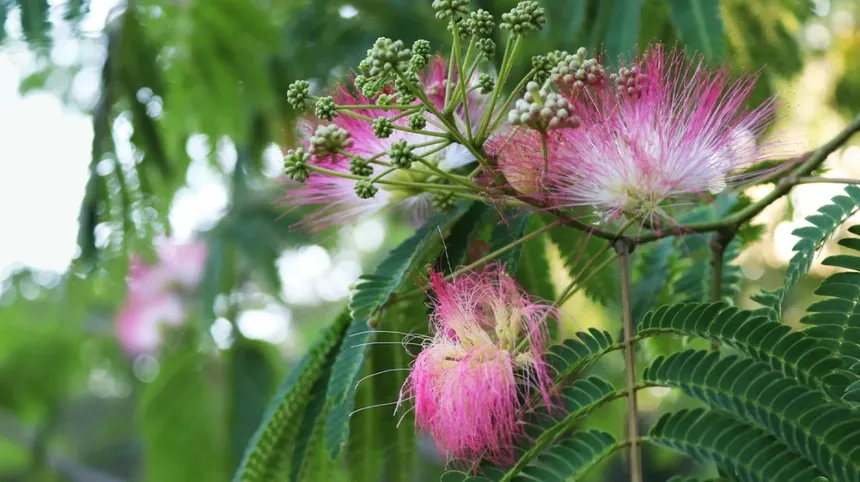
Mimosa Tenuiflora vs Mimosa Hostilis: Clearing the Botanical Confusion
One of the most persistent misconceptions in online sourcing forums revolves around the exact taxonomic profile of this plant. Many buyers ask about the core differences when comparing mimosa tenuiflora vs mimosa hostilis.
The Taxonomic Reality: From a strict botanical classification perspective, Mimosa tenuiflora and Mimosa hostilis are not separate species; rather, Mimosa hostilis is a heterotypic synonym for Mimosa tenuiflora.
While they refer to the exact same tree, the terminology often dictates market trends:
- Mimosa Tenuiflora: Most frequently used in traditional Mesoamerican cosmetic and holistic dermatology frameworks (often branded as Tepezcohuite skin elements).
- Mimosa Hostilis: The dominant commercial term preferred within the textile manufacturing, leather tanning, and deep ethnobotanical research sectors (commonly abbreviated as MHRB).
The Anatomy of Premium Mimosa Tenuiflora Bark
The commercial utility of this plant relies exclusively on the mimosa tenuiflora bark, specifically the rich, fibrous inner layer of the root system. The tree’s trunk and outer sapwood contain high concentrations of generic wood fibers and zero specialized botanical properties.
[ Outer Sapwood / Trunk ] -> High Fiber, Low Tannin (Subpar Fillers)
       └───> [ Inner Root Bark (MHRB) ] -> Deep Crimson Hue, High Organic Stability
When multi-generational wildcrafters cleanly harvest from the mature lateral root system, the inner bark displays a distinct, vibrant reddish-purple or deep mahogany tone. Cheap or unverified vendors often harvest entire trees indiscriminately, grinding branches and trunk wood together. This produces a pale, sandy-colored powder that dramatically dilutes research accuracy and fabric dye saturation.
Sourcing Blueprint: Where to Buy Mimosa Tenuiflora Safely
Because the global marketplace is heavily saturate with degraded, heat-treated fillers, knowing where to get mimosa tenuiflora with its structural integrity intact is the single most important factor for your projects.
What to Look For in Verified Logistics:
- Ethical Wildcrafting Roots: Ensure your vendor partners with harvesters who utilize sustainable lateral root extraction, allowing the parent tree to live and thrive.
- Cold-Processing Infrastructure: Avoid mills that utilize standard high-friction grinding, which generates heat that alters the delicate plant profiles. Look for hand-split shredded or cryogenically milled fine powders.
- Neutral Packaging Standards: To shield the active organic compounds from UV degradation and moisture absorption during transport, verified vendors rely on heavy-duty, light-blocking vacuum seals.
If you are currently researching where to buy mimosa tenuiflora without encountering middleman inflation or unverified origins, look for established suppliers offering direct-from-source import lines. Securing high-grade mimosa tenuiflora for sale through a secure, direct gateway ensures you receive an unadulterated botanical specimen every time.
Frequently Asked Questions (FAQ)
What color yields does the root bark produce in textile printing?
Due to its intense concentration of native condensed tannins, the inner root bark produces incredibly durable, light-fast shades of deep mauve, intense purple, and rustic terracotta when applied to organic fabrics like cotton, silk, and wool.
How should raw specimens be store for long-term preservation?
To establish a highly stable botanical storage environment, raw shred or powder bark should be placed in an airtight, moisture-free container away from direct sunlight. Vacuum sealing is highly recommend to protect the fibers from atmospheric oxidation over time.
Step-by-Step Checkout Framework
If you are ready to buy mimosa tenuiflora for your current lab or studio pipeline, ensure your platform utilizes an authenticated checkout system. Secure your premium, sustainably wildcrafted batch today and elevate your research with unmatched purity.
[ Ready to upgrade your inventory? Click Here to Explore Premium Mimosa Tenuiflora Options at Prime Hostilis ]