
MHRB vs. ACRB: The Artisan’s Guide to High-Tannin Botanical Dyes
MHRB vs ACRB – in the world of natural textile production, leather artisanry, and organic craft manufacturing, selecting raw materials with high tannin density is critical to achieving rich, light-fast colors. Among the most sought-after botanical specimens globally are Mimosa Hostilis Root Bark (MHRB) and Acacia Confusa Root Bark (ACRB).
While both species are celebrated for their industrial strength and heavy pigment output, they yield entirely different color profiles and require unique handling during the extraction process.
Whether you are looking to buy premium botanical dyes for fiber arts or sourcing bulk materials for commercial leather tanning, understanding the core physical and chemical differences between these two powerhouses will ensure optimal project outcomes.
1. Botanical Profiles and Geographic Sourcing (MHRB vs ACRB)
The fundamental differences between these raw materials begin with their native ecosystems, which directly influence their structural fiber composition and availability on the international market.
Mimosa Hostilis (MHRB)
- Scientific Classification: Mimosa tenuiflora (syn. Mimosa hostilis)
- Primary Origin: Indigenous to the semi-arid regions of northeastern Brazil and southern Mexico (where it is traditionally known as Tepezcohuite).
- Material Characteristics: The inner root bark contains an exceptional concentration of condensed tannins (up to 16% of total dry weight), providing a highly stable, deep-reaching pigment source.
Acacia Confusa (ACRB)
- Scientific Classification: Acacia confusa
- Primary Origin: Native to Southeast Asia, particularly Taiwan and the Philippine islands, with dense naturalized populations in Hawaii (often referred to as Formosa Koa or Asian Acacia).
- Material Characteristics: Known for dense, rigid woody fibers. It features a high oil and alkaloid content alongside its tannin structure, giving it a slicker texture during processing.
2. Natural Dye Color Profiles: Magenta vs. Auburn
The most dramatic practical difference for textile artisans lies in the final shade profile. The chemical composition of each plant’s natural pigments interacts uniquely with mordants (natural dye fixers like alum or iron).
[Extract Solution]
|
+—> Mimosa Hostilis (MHRB) —-> Deep Purples, Rich Magentas, Soft Pinks
|
+—> Acacia Confusa (ACRB) —-> Vibrant Oranges, Deep Auburns, Warm Earth Browns
- Mimosa Hostilis Yields: MHRB is world-renowned for its ability to produce striking, deep purple hues, vibrant magentas, and delicate lavender-pinks depending on the concentration used. It is widely considered the ultimate choice for achieving deep, jewel-toned cool pigments without resorting to synthetic chemicals.
- Acacia Confusa Yields: In contrast, ACRB yields an entirely different palette. It leans heavily into warm, fiery, and earth-toned spectrums. Artisans utilize it to achieve highly saturated, brilliant burnt oranges, deep auburn crimsons, and rich mahogany browns.
3. Processing Standards: Shredded vs. Finely Milled
For commercial scaling and ease of use, the physical form of the root bark dictates how efficiently the tannins can be extracted into a liquid bath.
- Shredded Root Bark: Preferred by traditional textile dye houses. The long, fibrous threads allow for excellent water circulation in brewing vats, making it easy to filter out the plant material once the pigment has fully transferred to the water.
- Finely Milled Fibers: Increases total surface area for rapid color release, though it requires meticulous straining to prevent fine plant particulate from settling unevenly into the fabrics.
4. Head-to-Head Comparison: MHRB vs. ACRB
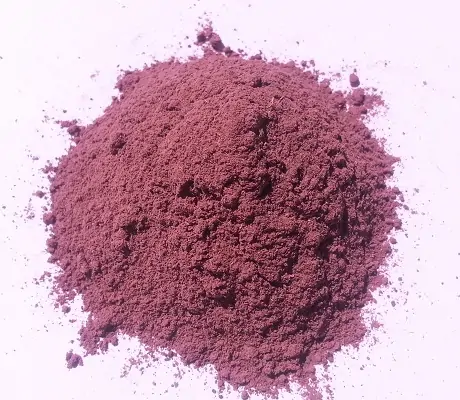
mimosa hostilis root bark powder–Exclusively at Prime Hostilis
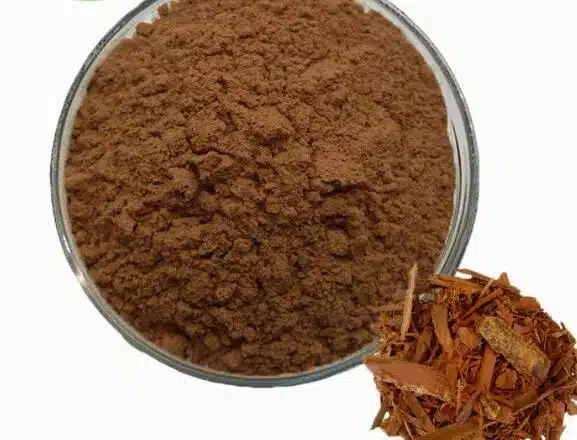
premium acrb inner root bark powder
| Feature / Metric | Mimosa Hostilis Root Bark (MHRB) | Acacia Confusa Root Bark (ACRB) |
| Primary Color Spectrum | Purples, Magentas, Lavenders, Pinks | Oranges, Auburns, Terracottas, Browns |
| Tannin Concentration | Exceptionally high, deep fiber penetration | High, requires precise mordanting for brights |
| Sourcing Grid | Latin America (Mexico / Brazil) | SE Asia / domestic US sub-tropics (Hawaii) |
| Texture & Aroma | Dry, earth-sweet scent, highly fibrous | Slightly oily texture, dense woody consistency |
| Best Used For | Silk, wool, and cotton textile arts | Heavy leather tanning, rustic canvas dyeing |
Looking for Elite Color Saturated Pigments?
While Acacia Confusa offers phenomenal earth-toned results for rustic projects, nothing matches the pure, unmatched depth and royal vibrancy of premium Mexican Mimosa Hostilis.
If you want to secure crisp, vivid purples and deep magentas that stand the test of time, you need verified, 100% pure inner root bark. We source ours sustainably, ensuring zero fillers or trunk wood—just pure, high-tannin fibers ready for your next project.
🌟 Secure Your Material Today with Fast Domestic Shipping
Skip the lengthy customs delays and international shipping risks. Browse our completely stocked inventory of premium, hand-selected materials:
5. Industrial Compliance & Operational Best Practices
When working with high-tannin botanical materials, professional artisans must adhere strictly to raw-material safety guidelines. All processing should be execute in well-ventilated workspaces utilizing proper protective gear.
Our products are import, label, and sold strictly as premium botanical specimens for textile printing, industrial leather tanning, and artisanal soap craft components. We maintain a strict zero-tolerance policy regarding the misuse or unapproved chemical altering of raw botanical materials. Maintain structural integrity in your workshop and let the rich history of natural plant dyes elevate your production quality.