Understanding mimosa hostilis root bark: An Artisanal Guide
When sourcing botanical materials for high-end artisanal crafts, textile arts, and traditional dyeing, consistency and purity are everything. Among the most sought-after natural specimens globally is Mimosa hostilis root bark (also known as Jurema preta).
As a rich source of deep tannins and vibrant organic pigments, this unique botanical has been utilized for generations. In this comprehensive guide, we will break down what makes for a premium batch, what to look for when buying online, and how to preserve the longevity of your botanical materials.
What is mimosa hostilis root bark?
Mimosa tenuiflora (syn. Mimosa hostilis) is a perennial tree native to the northeastern region of Brazil and parts of Mexico. While various parts of the tree have traditional value, master artisans focus exclusively on the inner root bark.
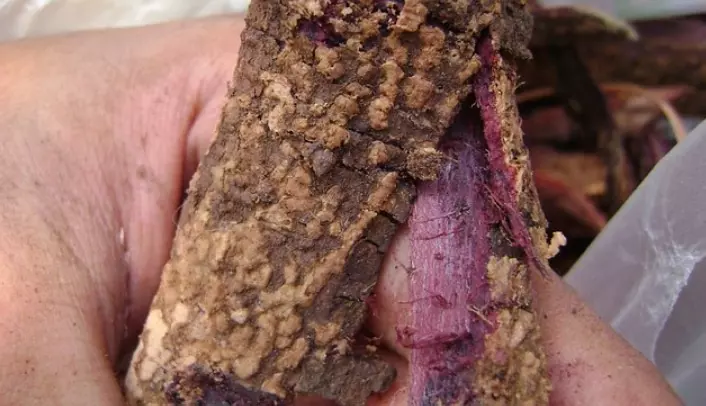
The inner layer contains the highest density of deep maroon and intense violet-tinted pigments. When processed correctly, it yields a remarkably potent natural dye capable of staining textiles, leather, and wood with deep, earth-toned hues ranging from soft lavender to intense crimson and dark purple.
Key Markers of Premium Quality Bark
Not all botanical specimens on the market are equal. To ensure your creative projects achieve absolute consistency, keep these quality standards in mind when choosing a supplier:
1. 100% Inner Bark (No Fillers)
Inferior products often contain ground-up outer bark or wood fibers. Outer wood lacks pigment and acts as a filler, diluting your results. Always ensure your supplier guarantees 100% pure inner root bark.
2. Ethically and Sustainably Harvested
Premium bark is harvest using sustainable forestry practices that protect the life of the tree. Responsible sourcing ensures that the root networks are protect, allowing the local ecosystem to thrive for future generations.
3. Proper Moisture Control
Freshly harvested bark must be dried immediately in a climate-control environment. If it retains excess moisture, it becomes susceptible to environmental degradation. Look for product lines that are meticulously sealed to lock out humidity.
Shredded Bark vs. Whole Chopped Bark
When exploring choices for your workshop, you will typically find two primary physical variations:
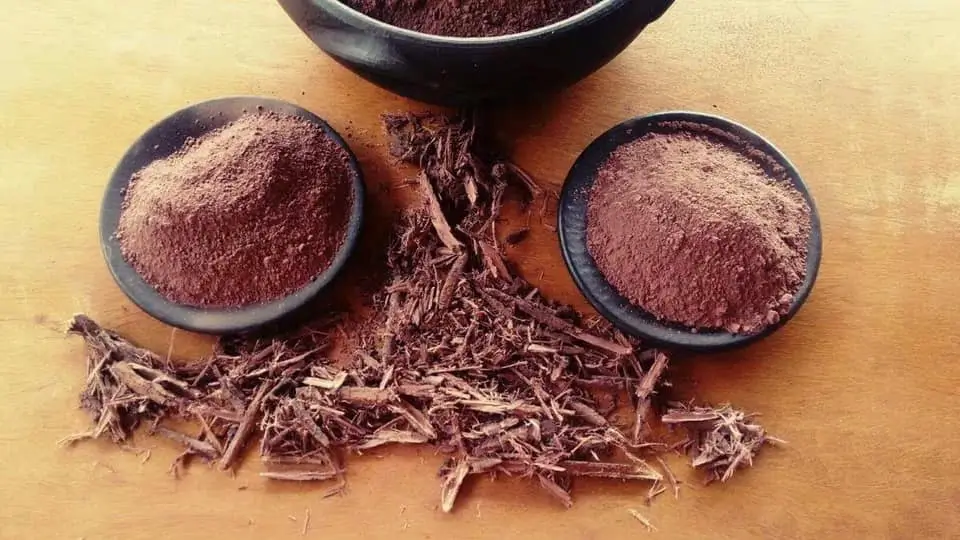
Whole Chopped Bark: Excellent for long-term storage. Because less surface area is expose to air, the delicate organic compounds inside the fibers remain preserved for extended periods.
Shredded Bark: Ideal for immediate creative use. The fibrous, shredded texture significantly increases the surface area, allowing natural tannins and pigments to release rapidly when soaked or prepared for a dye bath.
Storage Tip: Regardless of your choice, always store your premium barks in a cool, dark, dry location. Utilizing airtight or vacuum-sealed containers protects the integrity of the raw materials from oxidation and light degradation.
Why Buy Mimosa Hostilis Online (mimosa hostilis root bark) From a Trusted Source?
Navigating international supply lines can be difficult. Buying from a dedicated, specialized fulfillment platform ensures you avoid common logistical headaches:
Streamlined Global Logistics: Top-tier suppliers feature robust distribution networks, meaning your shipments clear transit smoothly and arrive securely.
Active Batch Tracking: Transparency matters. Look for suppliers that assign distinct batch registries so you can trace your exact freight from the source hub straight to your doorstep.
Consistent Grading: A professional sourcing desk ensures that every single kilogram delivered meets identical laboratory and research-grade purity parameters.
Explore Premium Botanical Options
If you are ready to elevate your artisanal projects with deep, natural hues and unparalleled material consistency, check out our collection. We offer pure, sustainably sourced, and securely dispatched inner root bark selections tailored to your exact creative requirements.